
Composer for documentaries
In a documentary the music can’t invent anything, and it still has to decide how we feel.
What it involves
Original music for documentaries, docuseries, true crime and reportage: written on the edit, with the interviews on top and the archive footage in front of it. In a documentary the music has to hold up the story without underlining it and without competing with the voices, and that’s more a matter of texture and silence than of melody.
With the composers of Reseda Estudio we’ve scored El Asesino de TikTok (Netflix) and both seasons of Lucía en la telaraña (RTVE Play), Movistar Plus+ documentary series such as El día menos pensado and Colgar las alas, the main titles and music of Sin Plan (La 2) and a corporate documentary for UNHCR. Each one asked for something different: cold and opaque in one, strings and modular synthesis in another, the near-ritual epic of professional cycling in a third.
The usual path is a first cut and a conversation about what the music should not do, which in documentary is almost always what matters. Then tone sketches on key scenes and development from there, with every change of cut that comes along: in documentary the edit keeps moving until the very last day.
What you get
- Spotting on the first cut, and a conversation about where the music should stay silent
- Tone sketches on key scenes before writing anything final
- Music synced to picture, with revisions for each new cut
- Main titles and character or segment themes when the format is a documentary series
- Stems and cue sheets to the spec of the platform, broadcaster or festival
- The soundtrack album, if the production wants to release one
Some examples
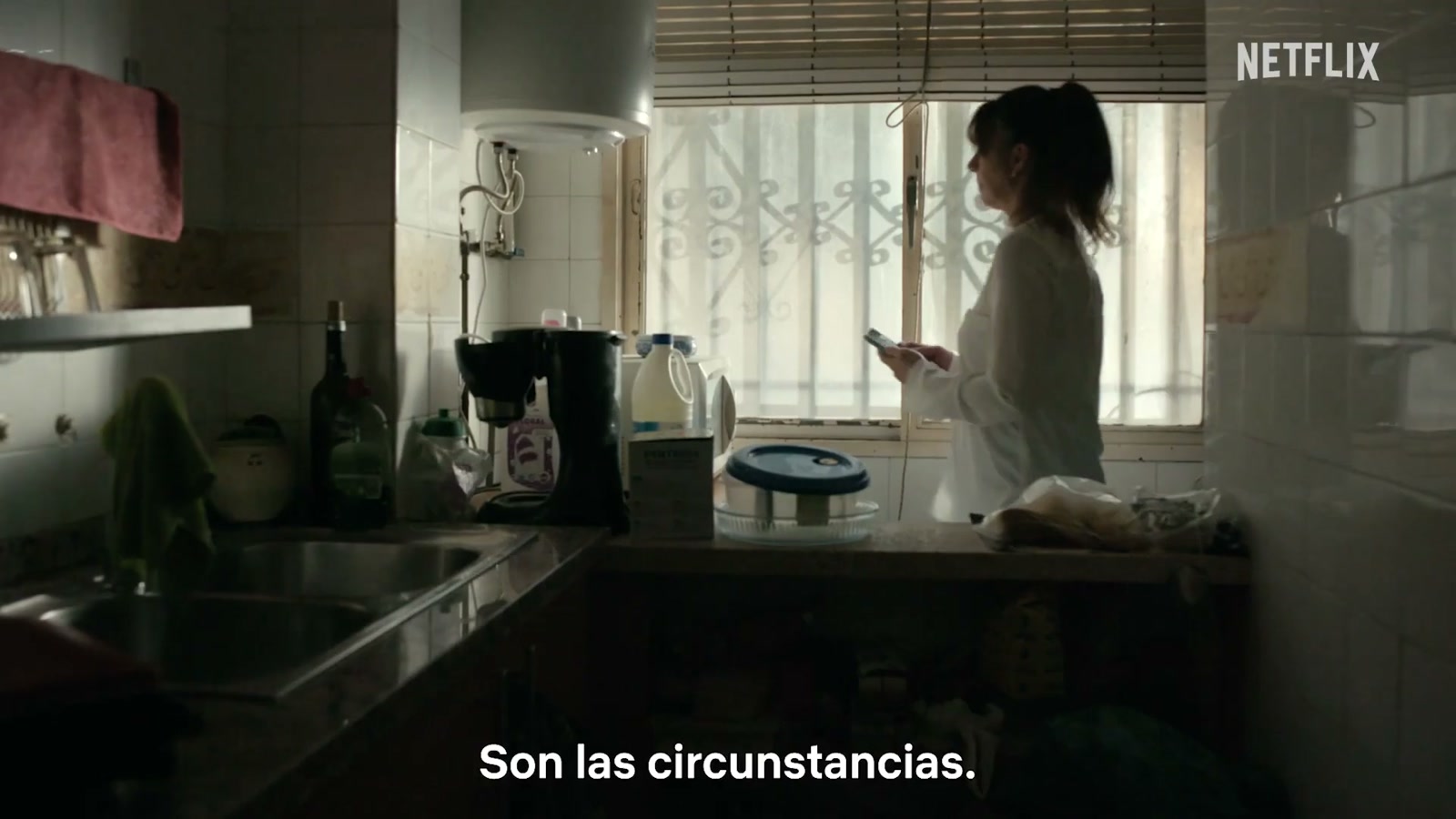
True-crime docuseries: a cold, opaque sound that doesn’t underline the drama.
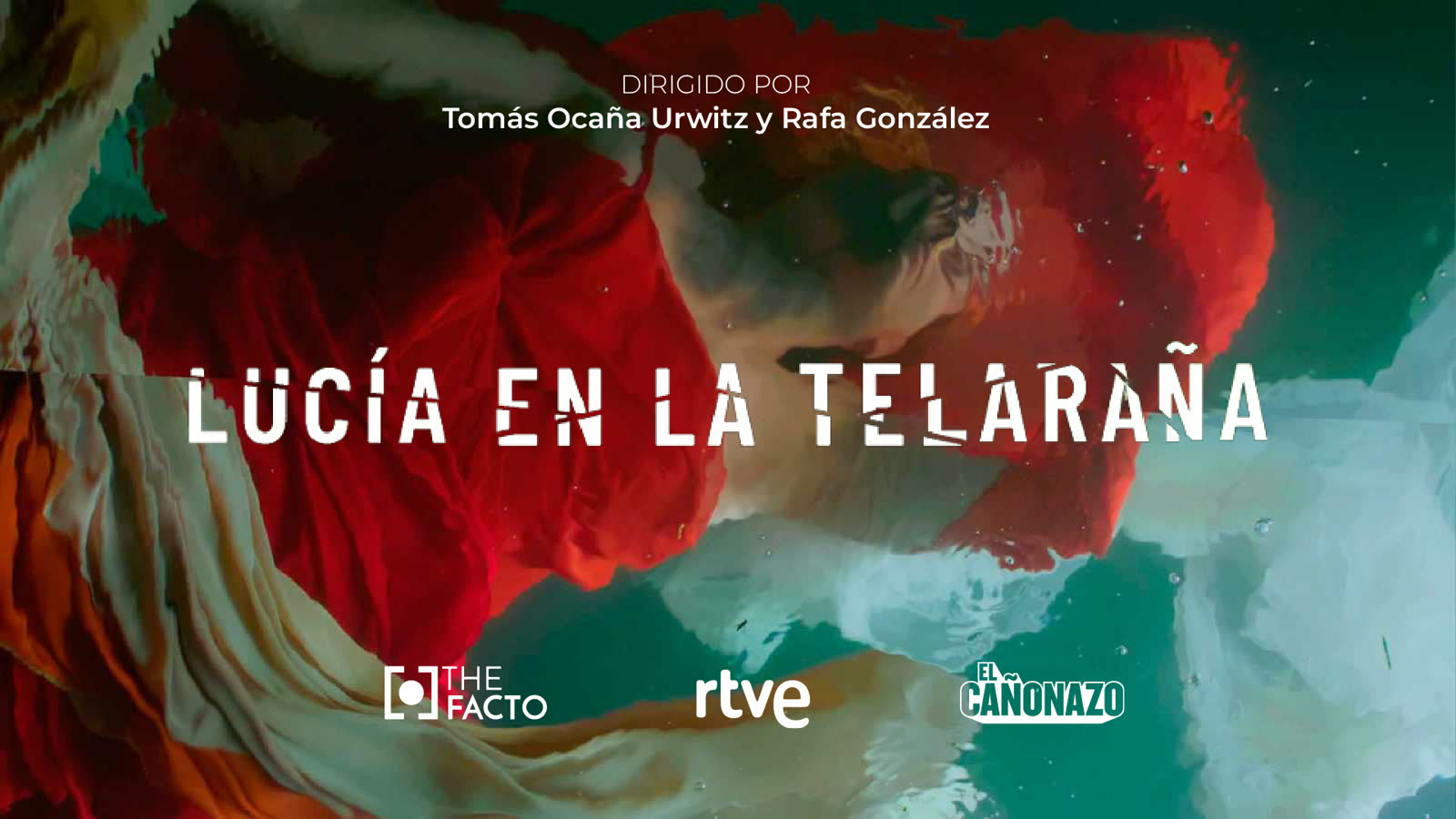
Two seasons with modular synthesis, strings and a timbre for each character.
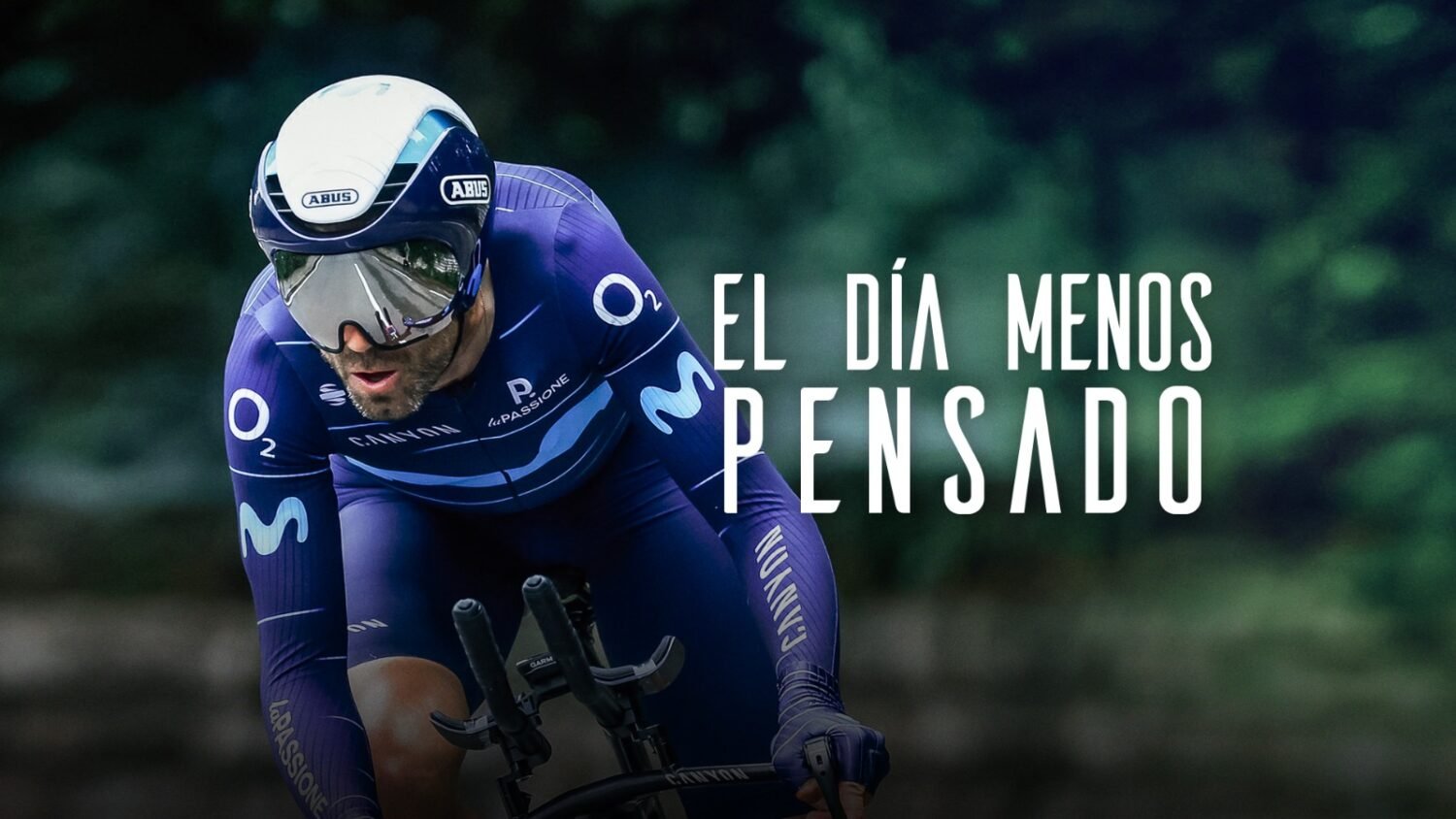
Eight months of professional cycling: from the rider’s inner monologue to the team’s epic.
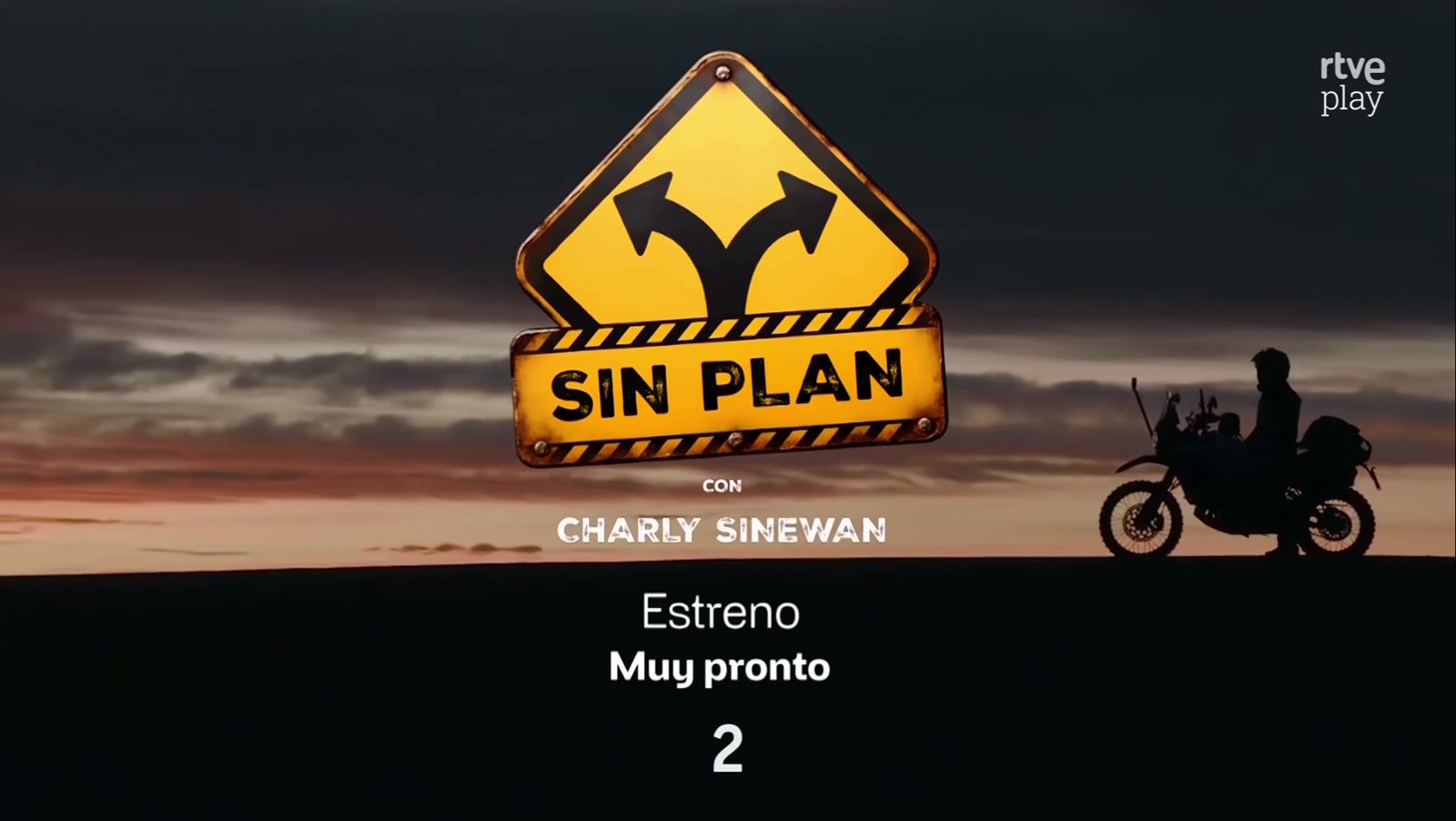
Travel documentary programme: main titles and music for adventure, with its moments of solitude.


FAQ
- When should the composer come on board for a documentary?
- With a first cut, or earlier if you want to talk about tone. In documentary the edit keeps moving until the end, so it pays to come in with room to redo things. That said, joining in late post-production happens too, with less time for sketches and more for adjusting.
- How much does original music for a documentary cost?
- It depends on the minutes of music, whether musicians are recorded, the number of episodes and the use: festival, broadcaster or platform. It’s quoted per project with a first cut in front of us. On a tight budget, a small, well-chosen palette can replace a large score.
- Original music or library music in a documentary?
- Library music solves a quick report on a small budget. In a documentary with interviews and archive, original music has an edge: it’s written around the voices and the silences of the edit, and nobody else has it.
- How do you write music for interviews and archive footage?
- With very little: textures, pulses and silences that leave room for the voice, and themes that arrive when the story needs them, not before. In Lucía en la telaraña each character or group of characters has its own timbre, and in El Asesino de TikTok the music avoids underlining the drama.
- What rights and delivery formats are involved?
- Synced cues, stems, cue sheets for rights registration and the mix at the spec of the platform, broadcaster or festival. The synchronisation and master rights are agreed in writing before we start, by territory, media and term.